
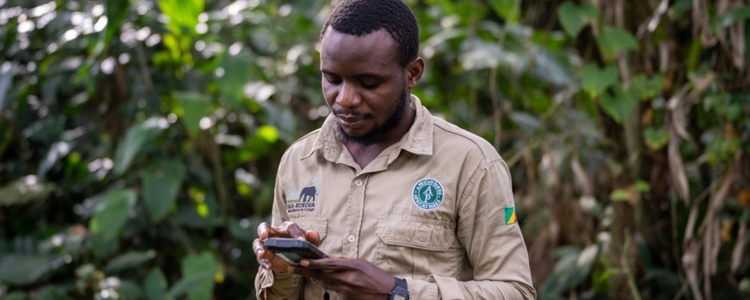
© Irene Galera
African Parks is the largest Early Adopter within the ESA PEOPLE-ECCO project by area managed, contributing to the design and development of EO solutions and research support in central Africa.
Joshua Weiss, head of the Geospatial Unit at African Parks, dived into the alliance with PEOPLE-ECCO during an interview at the BioSpace25 conference in 2025.
Founded in 2000, African Parks started as a non-profit conservation organisation managing protected areas through long-term public-private partnerships with host governments and local communities.
Today, the organisation manages 24 protected areas across 13 countries, covering over 20 million hectares, the largest and most ecologically diverse portfolio of parks under management by an NGO on the continent. Their goal is to expand to 30 protected areas by 2030, covering 30 million hectares across as many ecoregions as possible.
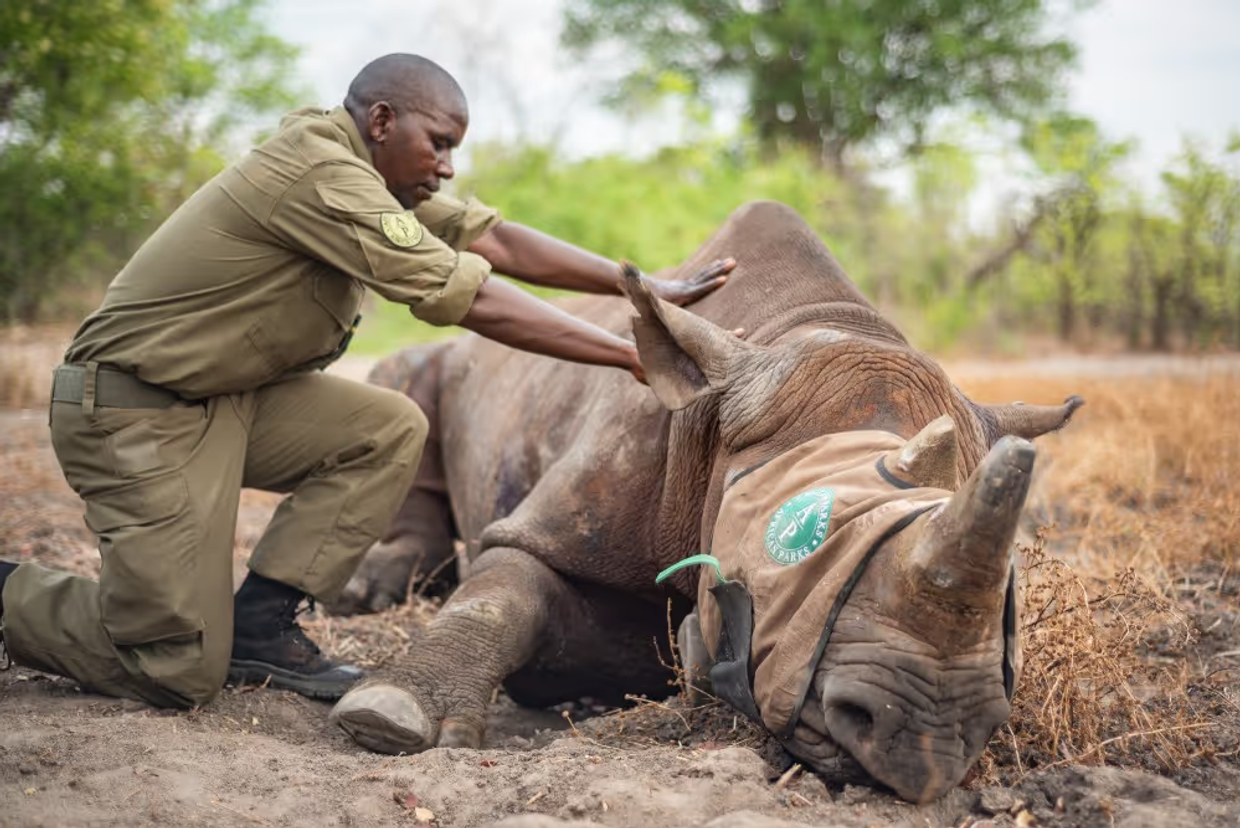
Operating at such a scale presents unique monitoring challenges. Many of the areas that African Parks manages are remote, relatively inaccessible, and cen be challenging and resource-intensive to reach on the ground. “So Earth observation helps as our eye in the sky”, explains Weiss.
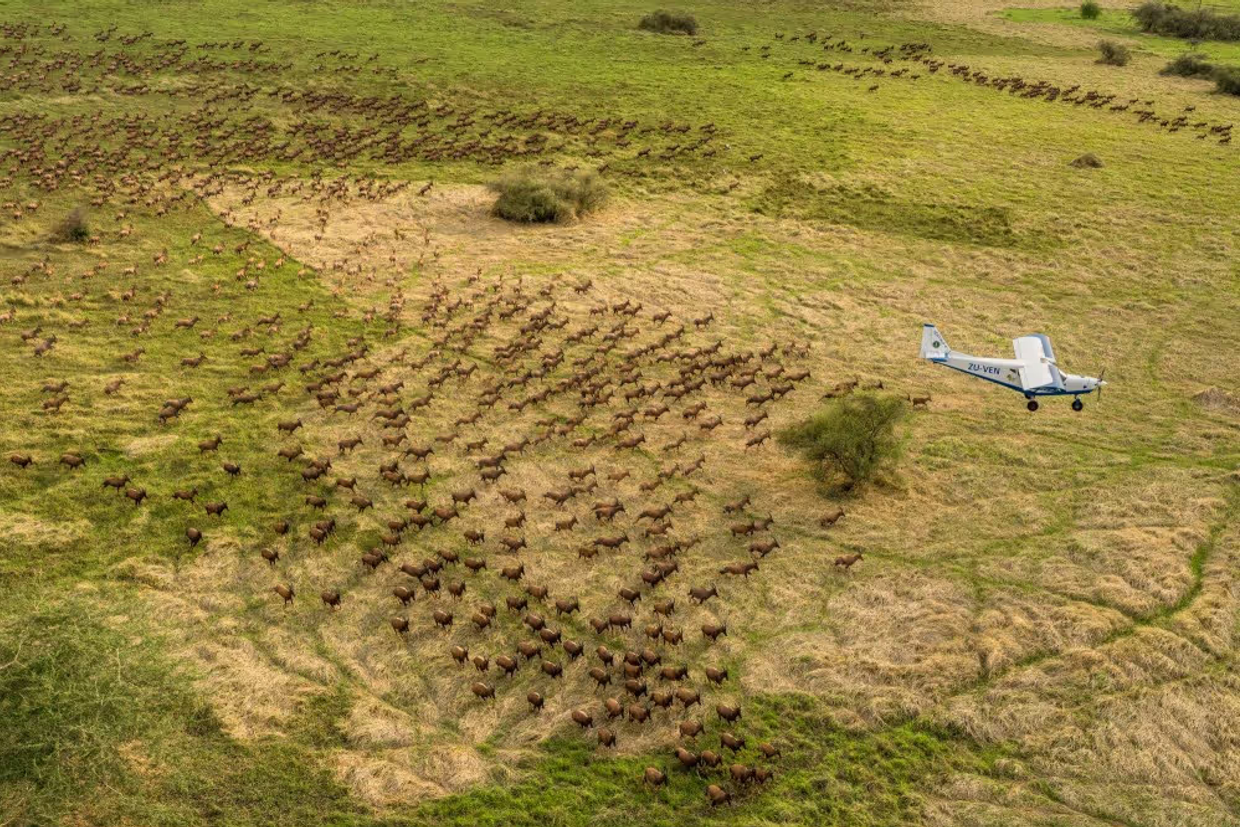

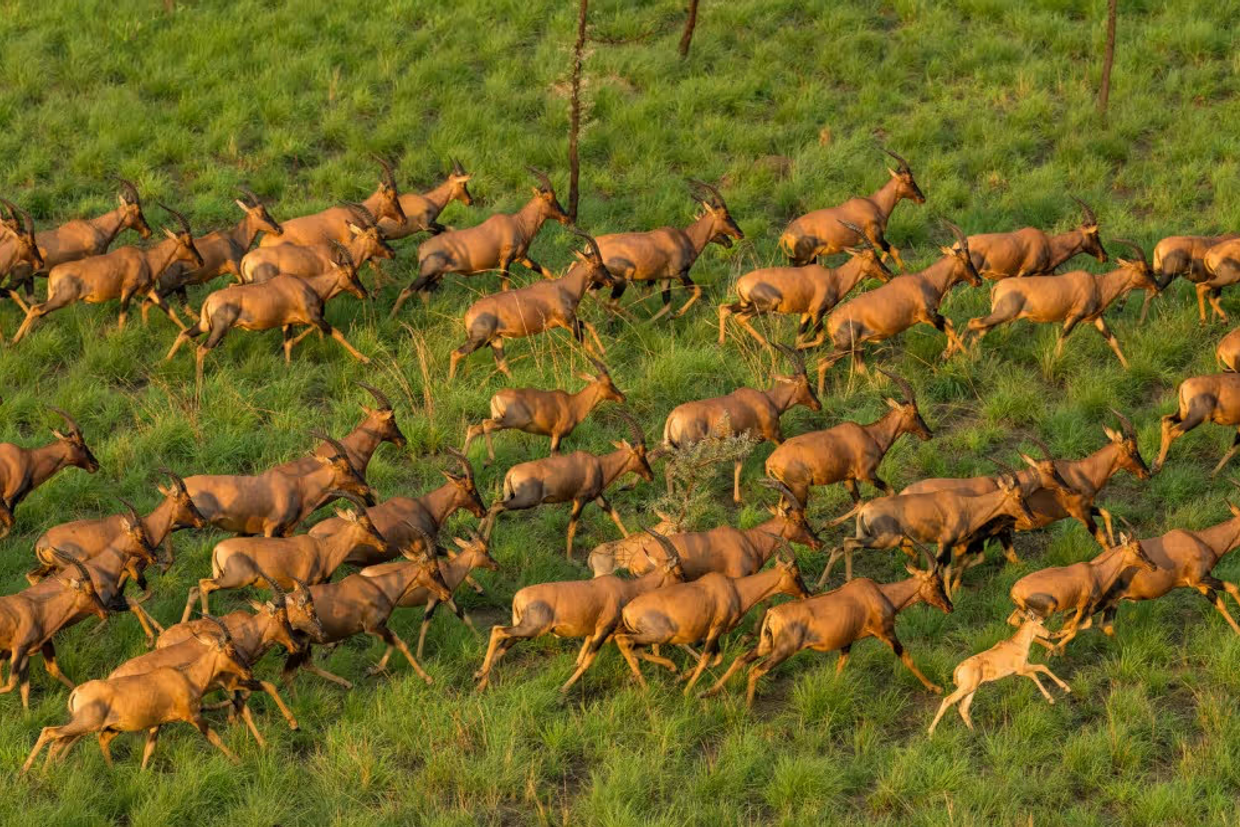
African Parks already uses remotely sensed data to track illegal activities such as mining and fishing camps, monitor the movement of nomadic people through and around parks, identify shifts and possibly abnormal changes in habitats, and understand the impact of fires, both legal and illegal, at the landscape level.
However, current open-source data does not provide the scale and granularity the organisation requires to systematically measure its conservation impact. Through PEOPLE-ECCO, African Parks aims to develop Earth Observation products that help answer a fundamental question: how well are we managing these ecosystems?
"We have very defined metrics and targets that keep us accountable, not only to our host governments and communities, but also to donors and funders who are increasingly requiring us to be able to quantitatively assess our impact" Weiss shares.
The EO data developed through PEOPLE-ECCO will allow the organisation to more tangibly assess habitat characterization, human impact, and the overall condition of the ecosystems it protects.
The primary goal is to develop a habitat intactness index; a measurable indicator that can track whether ecosystems are improving over time. This index should be replicable at least every two years and applicable not only across African Parks' own network but also by other NGOs and conservation authorities across the continent and possibly globally.
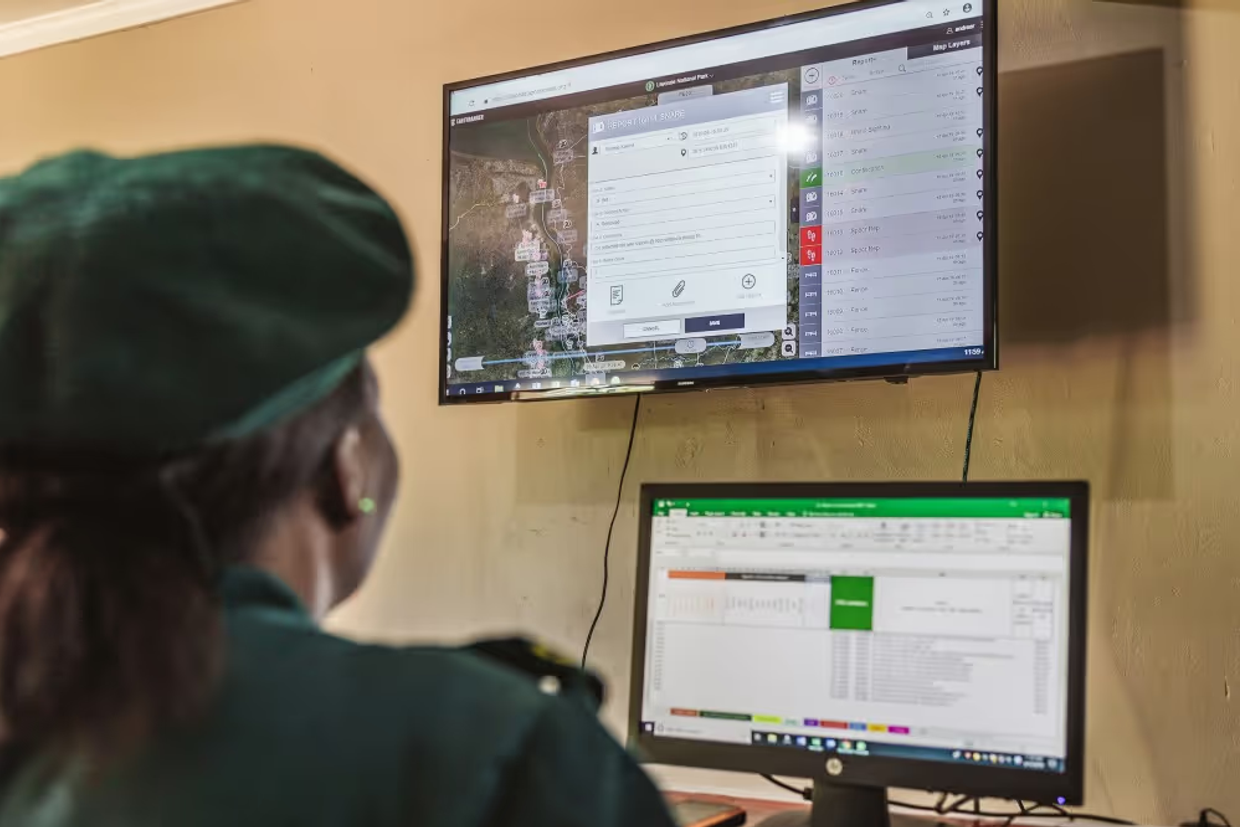
A secondary objective focuses on identifying priority areas for restoration projects, particularly in support of African Parks' work on verifiable nature units (VNUs), a mechanism that helps generate funding for park management.
Beyond data products, Weiss highlighted the importance of the capacity building component within PEOPLE-ECCO. While African Parks has strong technical, research, and scientific teams both in the parks and at head office, their geospatial capacity is still relatively limited.
"The ability for us to learn about Earth Observation technologies and methodologies that are relatively easy to apply will have a massive impact right through the organisation," Weiss explains. The goal is for these tools to be accessible enough that they can be deployed widely, including as new staff join the organisation in the future.
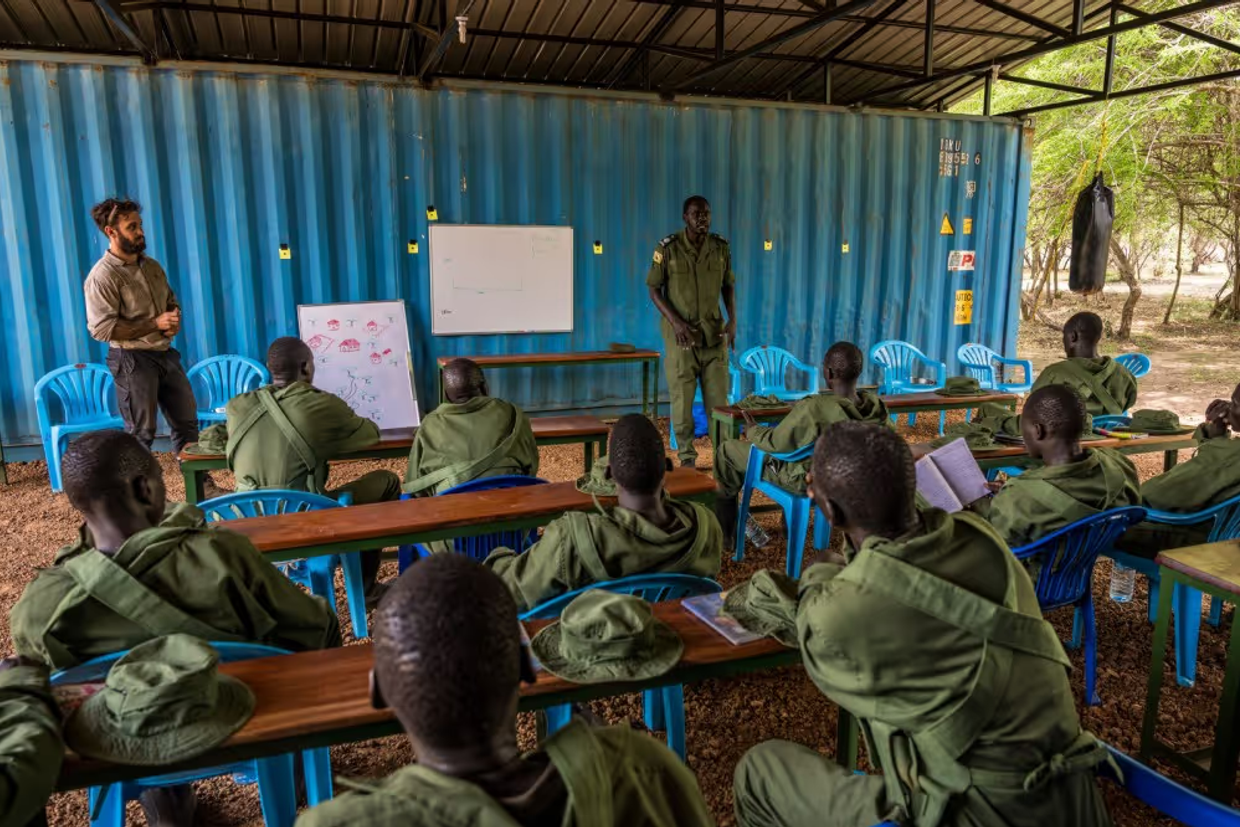
African Parks is a non-profit conservation NGO, headquartered in Johannesburg, South Africa, that takes on full responsibility for the rehabilitation and long-term management of protected areas in partnership with governments and local communities.
African Parks employs more than 6,000 staff and maintains the largest counter-poaching ranger force of any private conservation organisation on the continent.
If you are interested in the activities of African Parks, you can learn more about them via their official website.


