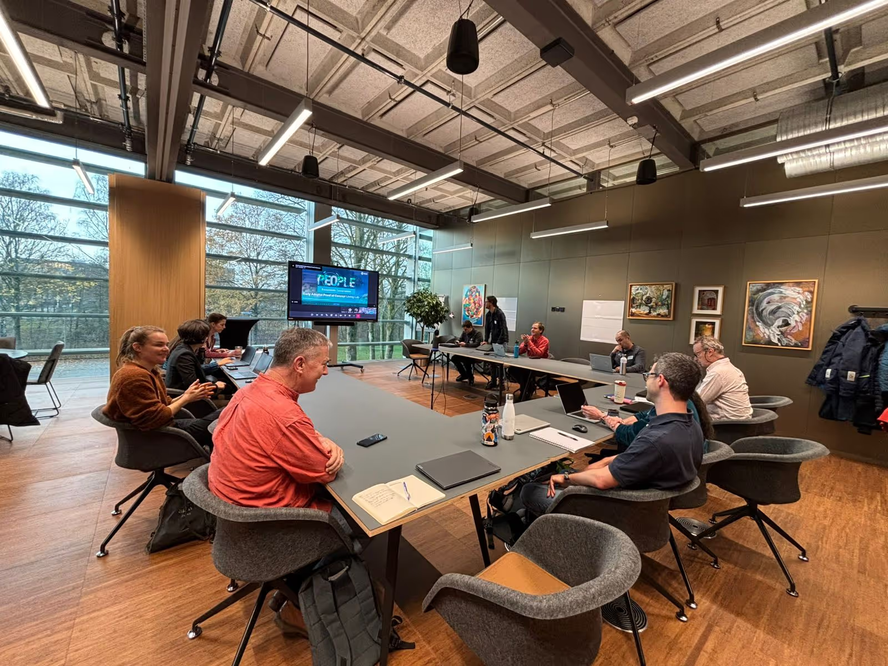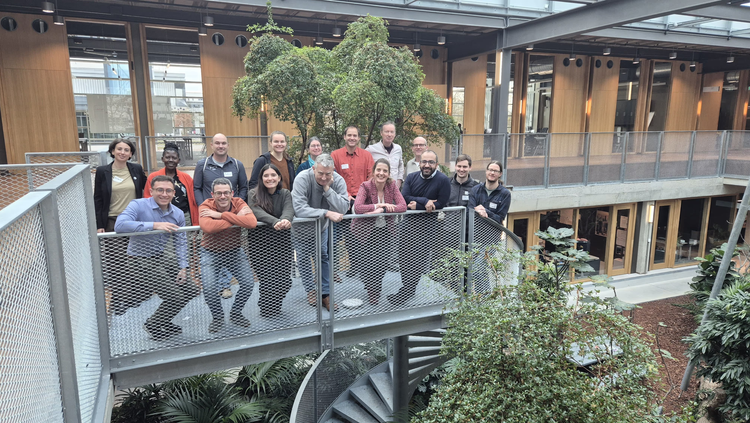
PEOPLE-ECCO’s second Living Lab took place at the ITC Faculty building in Enschede, the Netherlands, from 1-3 December 2025. The primary objective of the session was to assess the tools and training developed for conservation NGOs/CSOs and to define next steps.
The project’s first Living Lab, held in February, focused on understanding the needs of conservation NGOs/CSOs for earth observation information-based tools and training. Since then, tools have been developed and applied on test sites for the six NGOs/CSOs involved in the project, our Early Adaptors. In parallel, the first online training course was developed and released on Geoversity. This second Living Lab was organized to present this work and collect critical feedback. This moment also provided an opportunity for the European Space Agency (ESA), PEOPLE-ECCO’s funder, and the Advisory Board to review the project deliverables.
“PEOPLE-ECCO is an end-user-focused project, where everything is done in co-design with the project’s six Early Adopters. Therefore, these moments of connection to gather and review critical feedback are important. As we reached the halfway point of this 2-year project, this is an opportunity to look back, but also look forward,” explains Jasper Van doninck, ITC researcher and technical manager of PEOPLE-ECCO.
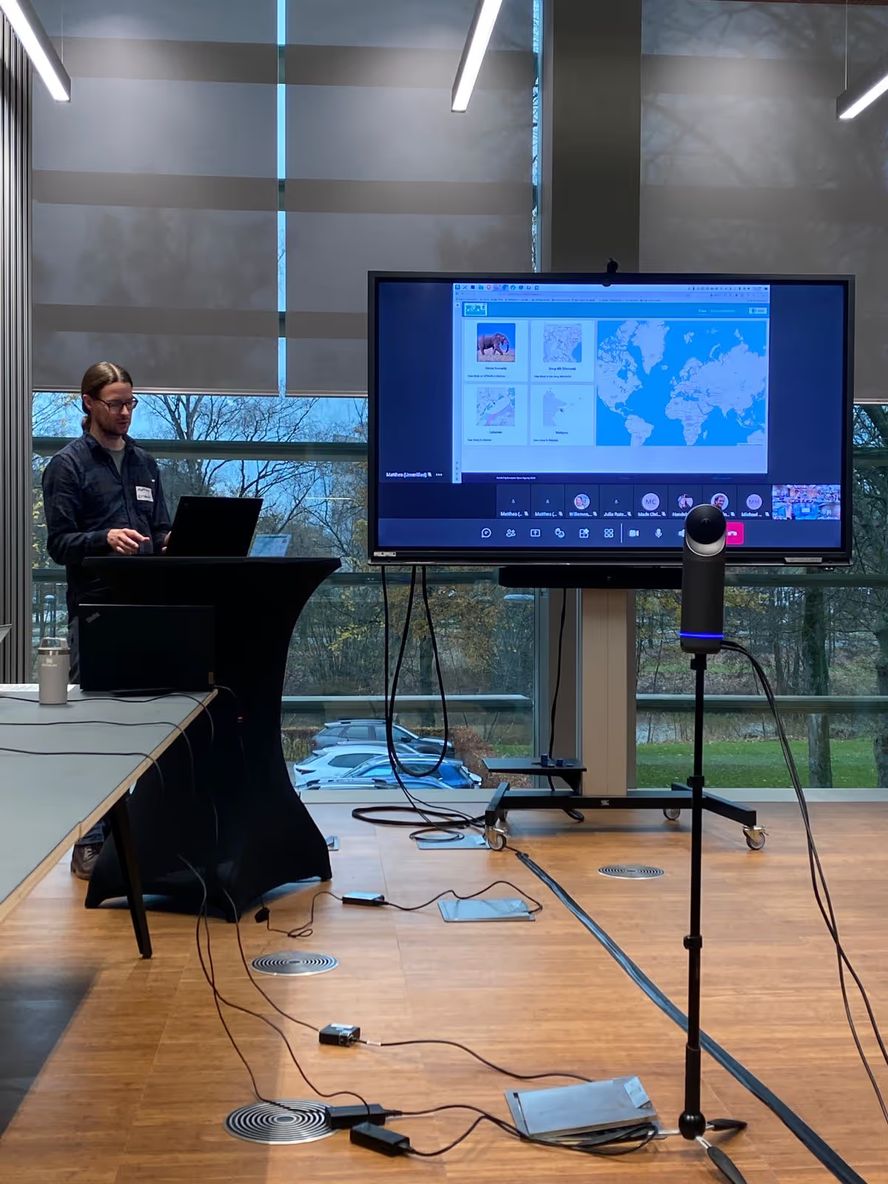
The event featured hybrid online participation, with representatives from the conservation community gathering from countries such as Vietnam, Malaysia, Bulgaria, Italy, Lebanon, South Africa, Uganda, Costa Rica, and Canada.
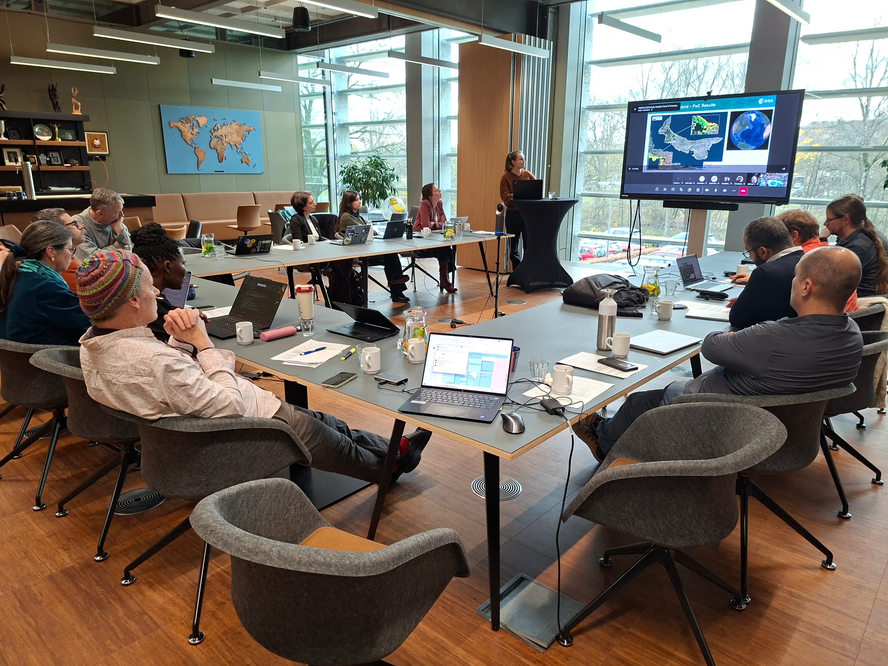
During the first day of the Living Lab, the Early Adopters provided valuable feedback on the PEOPLE-ECCO under development, helping to maximize their impact.
As an example, by PEOPLE-ECCO’s Project Manager, Wieteke Willemen, “Reef Check Malaysia, one of the project’s Early Adopters, highlighted their need to locate the reefs and the submerged vegetation in the country. They need this information to communicate with decision makers and policymakers about the location of key areas for conservation.
”As the project focuses on co-learning, the Living Lab created an interaction space where some end users showed a great interest in the solutions being developed with other end users, creating unexpected connections. Jasper recalls, “The coral reefs and submerged vegetation mapping tool developed with our partner Reef Check Malaysia were of interest for IUCN Vietnam. With IUCN Vietnam, we're focusing on terrestrial sites, but the country has a large coastline, and they found the solution to be interesting for them.”
|
|
The second day of the event was used to plan large-scale demonstrations. PEOPLE-ECCO will deploy its solutions, initially developed for small test sites, over larger areas. As Wietske Bijker, Capacity Development Work Package Manager of the project, adds on the previous use case, “we have developed and tested our tools for a specific area in Malaysia. The greater impact lies in extrapolating these results to the whole country’s marine ecosystem.” The selection of areas, data sets, and products to develop, as well as outcome validation and other key points of discussion, were the primary outputs of the morning session on the second day.
During the afternoon, Early Adopters evaluated the materials of PEOPLE-ECCO’s online training. They provided input on the strengths and areas for improvement of the recently launched Geoversity online course, which teaches participants the essentials of earth observation for conservation purposes. As Wietske recalls, “end users found our training to be really useful and valuable. Their input was key to reporting to ESA and defining the next steps for training.”
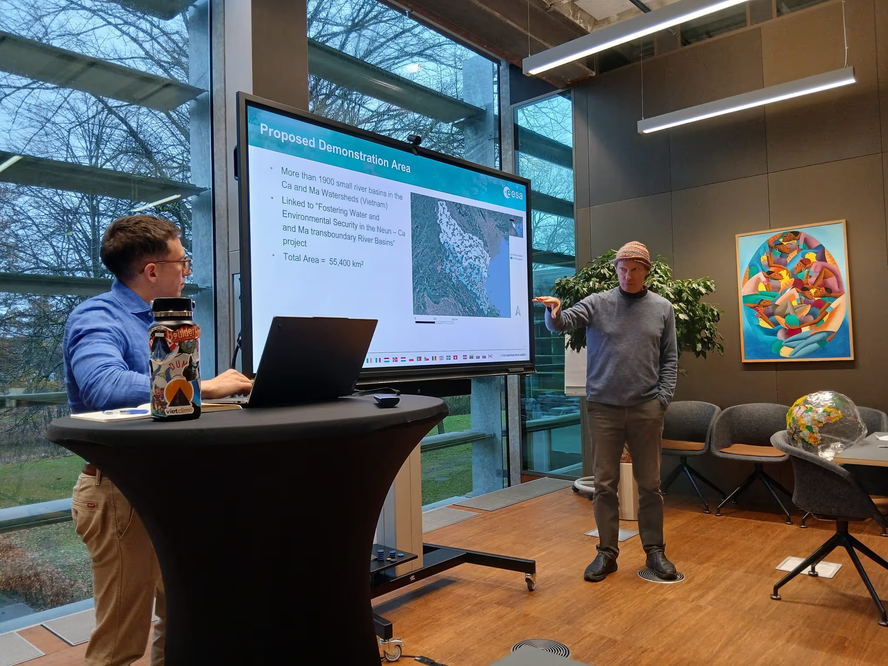
On the last day of the Living Lab, PEOPLE-ECCO consortium partners, Early Adopters, Advisory Board, and ESA wrapped up, reflecting on feedback and learnings from the first half of the project and planning the next steps. “ Many felt very energized by the end of the three days. I see it as a sign that we believe we can create a positive impact through PEOPLE-ECCO,” Wieteke concludes.