The PEOPLE-ECCO project team recently participated in the conference BIOSPACE25, organized by the European Space Agency, in collaboration with the European Commission, the Group on Earth Observations Biodiversity Observation Network (GEO BON) and the Committee on Earth Observation Satellites (CEOS). This first edition focused on the application of satellite remote sensing for biodiversity, bringing together a community of experts in biodiversity and conservation.
With an overwhelming response, the conference hosted approximately 450 participants. Attendees included specialists in satellite Earth Observation, biodiversity scientists, field ecologists, data providers, and decision-makers from governments, international organizations, and NGOs.
Living Lab
PEOPLE-ECCO “Living Labs”, interactive workshops designed to co-design and evaluate EO-based conservation tools with on-the-ground conservation practitioners at NGOs and CSOs PEOPLE-ECCO works with six of these NGOs/CSOs as '" Early Adopters” of these EO tools.
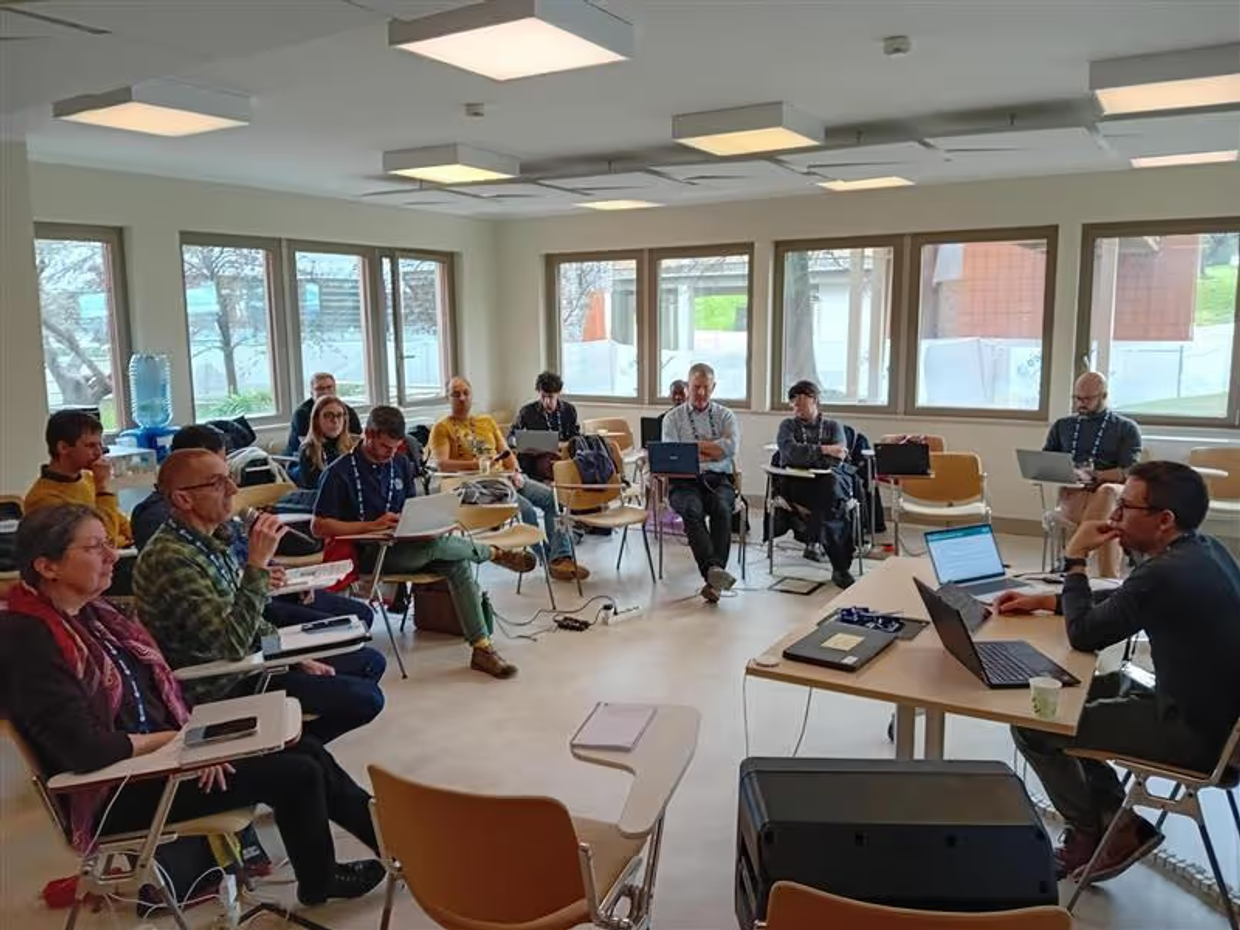
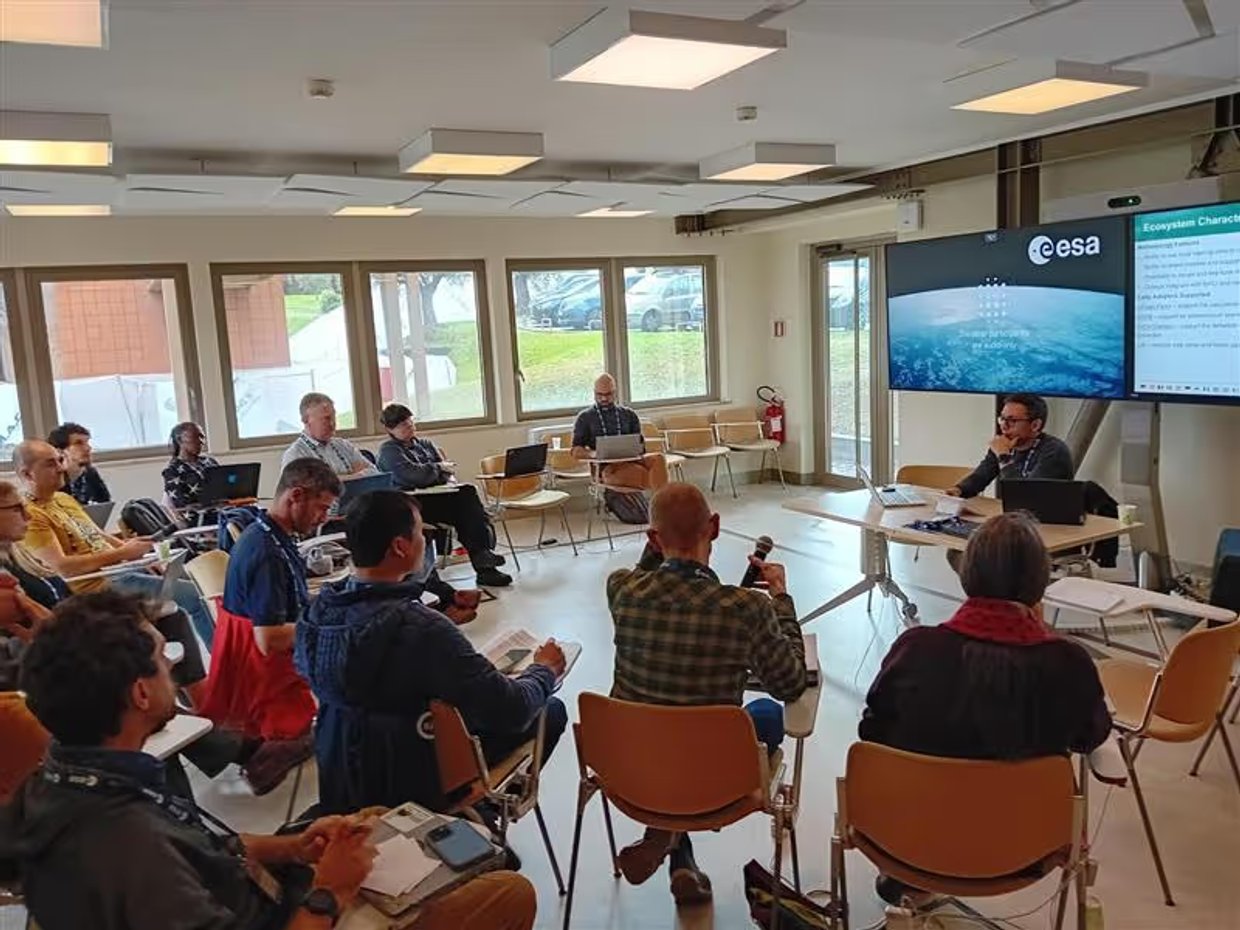
The project’s first Early Adopter Co-design Living Lab was integrated into BIOSPACE25, allowing consortium partners, Early Adopters, and the project Advisory Board to align their participation with the broader themes of the conference.
Putting PEOPLE in the center
A key principle of PEOPLE-ECCO is ensuring that conservation solutions are shaped by those who use them. "We want to make sure the tools we develop are not just scientifically sound but also practical and relevant for conservationists on the ground," mentions Jasper Van doninck, ITC researcher and technical manager of PEOPLE-ECCO.
“That’s why I think BIOSPACE25 was a very interesting place for NGOs to be informed of all the projects developing in their field of interest. It was great witnessing their interactions with the EO community, where they started sharing their own experiences, even when sharing a dinner together. These were the sort of conversations we need to develop work aligned with the needs of NGOs” he explains.
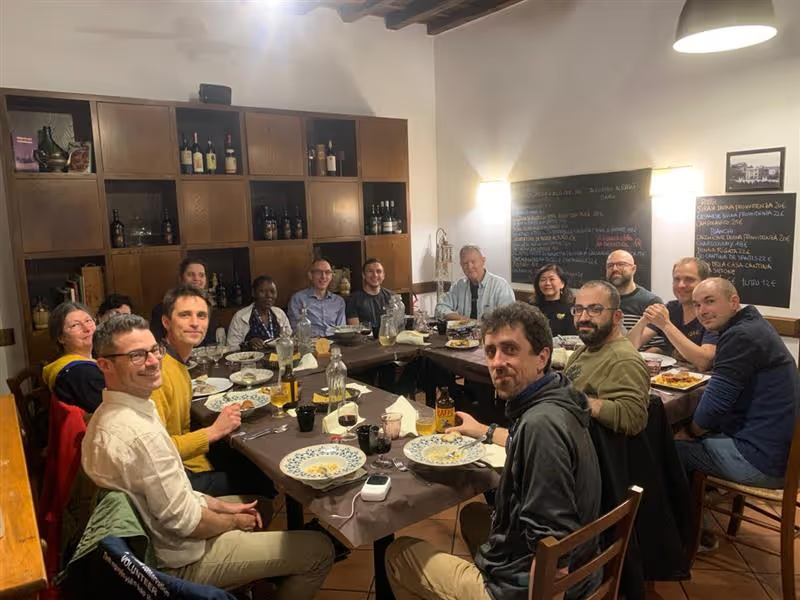
Valuable insights were shared even during dinners with the PEOPLE-ECCO team.
Wieteke Willemen, head of ITC’s Natural Resources Department PEOPLE-ECCO’s project manager, highlighted the importance of collaboration; "As ITC, we have a strong legacy in capacity development, and really strive to create spaces for co-learning or co-development. We can only achieve this by bringing people together and enhancing horizontal learning."
Key contributions and highlights
During the conference, PEOPLE-ECCO Early Adopters and Advisory Board members participated in the plenary session “Space for Nature: How EO can empower NGOs and Civil Society in Conservation” to highlight the potential of EO solutions in strengthening conservation efforts.
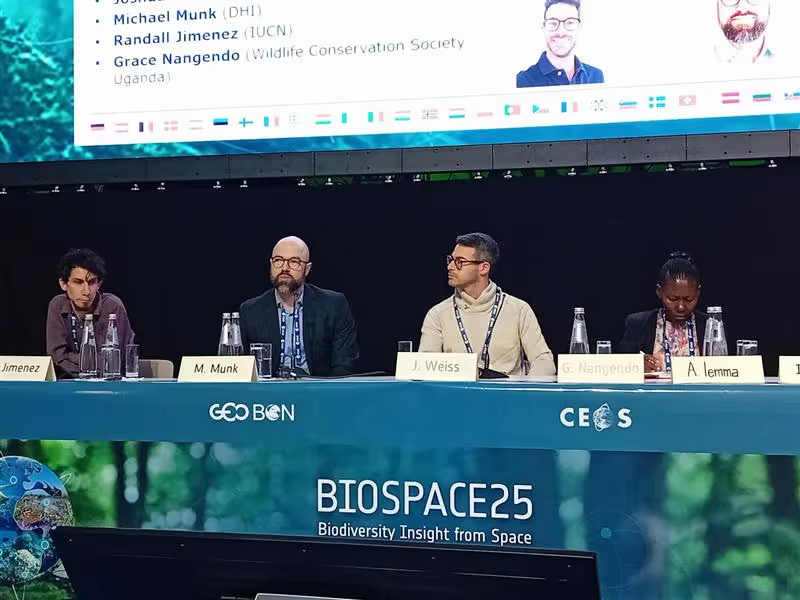
Representatives from organizations related to PEOPLE-ECCO participated in the plenary (Randall Jimenez from IUCN, Michael Munk from DHI, Joshua Weiss from African Parks and Grace Nangendo from Wildlife Conservation Society Uganda)
Later that day, Wieteke Willemen presented the PEOPLE-ECCO project during the “Ecosystem Conservation” thematic session. The presentation provided insights into the project’s objectives, methodology, and impact.
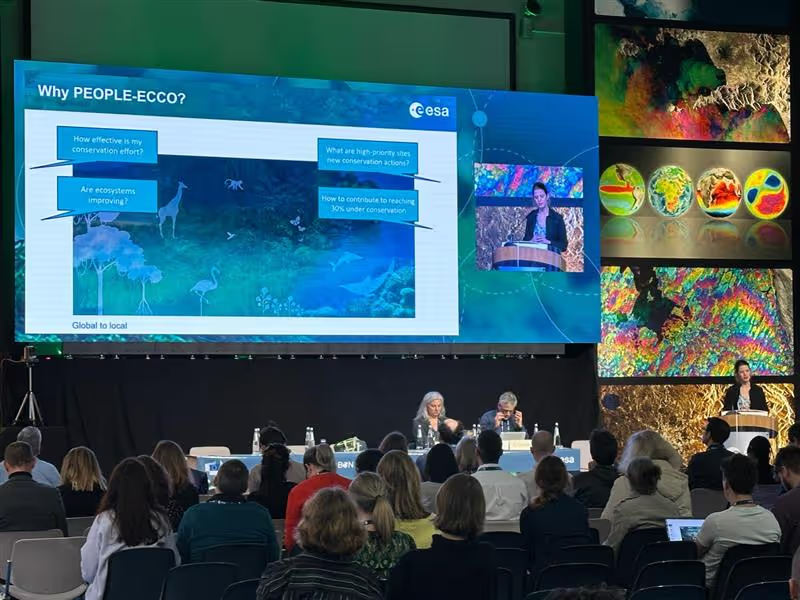
Wieteke Willemen presenting PEOPLE-ECCO in BIOSPACE25.
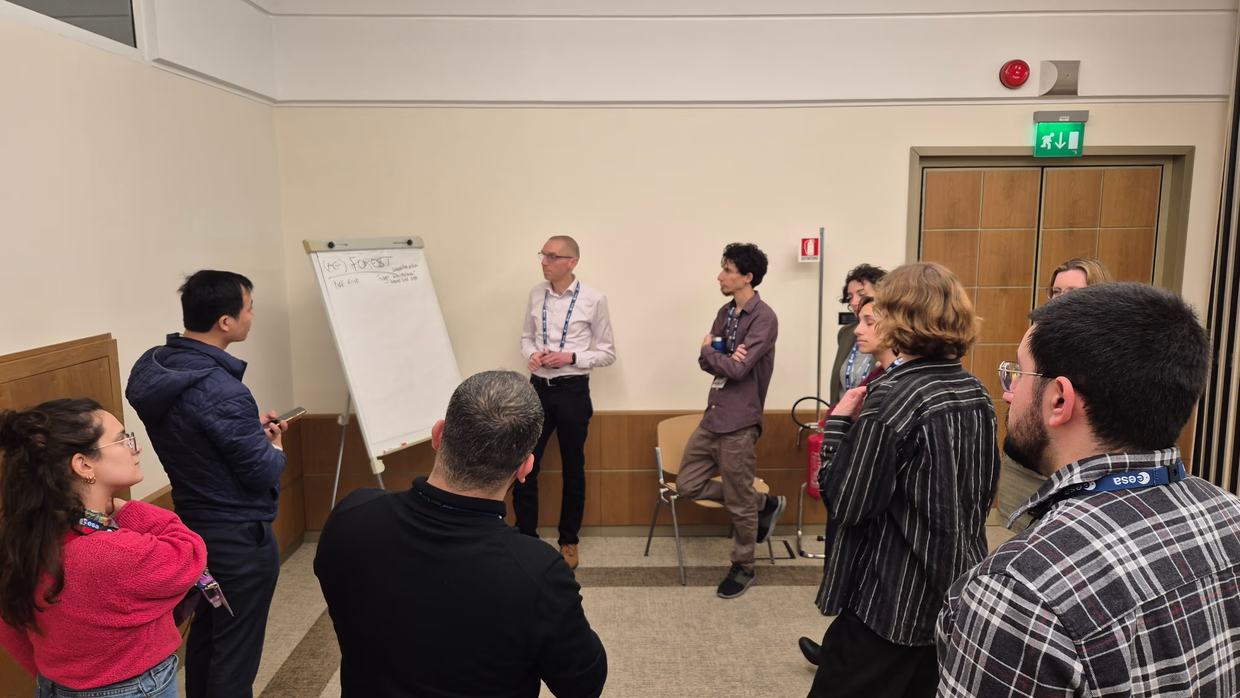
PEOPLE-ECCO also organized a workshop titled “Co-designing Earth Observation Solutions for Ecosystem Conservation.” The discussion captured the broader community needs for conservation tools and capacity development, ensuring alignment with real-world conservation needs.
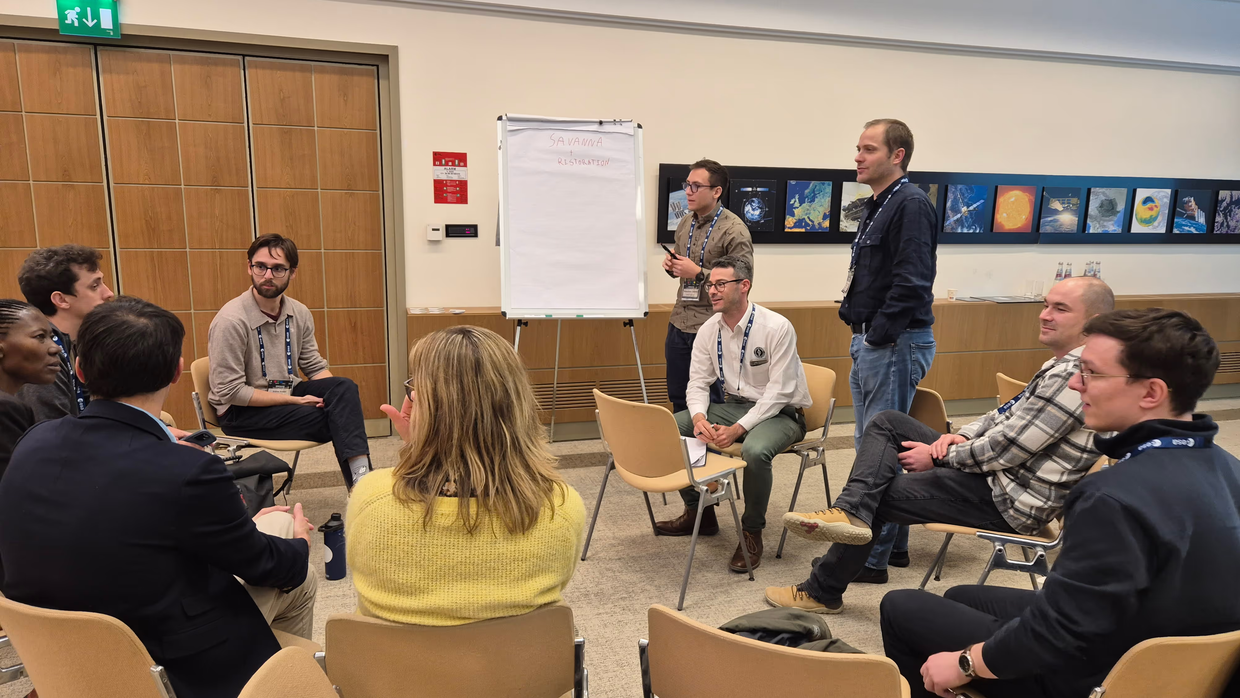
Next steps
With valuable insights gathered at BIOSPACE25, the next phase of PEOPLE-ECCO will focus on refining the EO tools and expanding capacity-building efforts. The project team will incorporate feedback from Early Adopters to fine-tune EO solutions and training material s
"We now have a clearer understanding of what users need," said Wieteke Willemen. "The next step is making sure these insights translate into practical improvements that make a difference in conservation efforts."
Looking ahead, PEOPLE-ECCO will continue collaborating with its network to test and implement the tools in conservation projects, and sharing EO training materials, ensuring that satellite-based solutions effectively support biodiversity conservation efforts.
More recent news
 Mon 29 Jun 2026PEOPLE-ECCO and Reef Check Malaysia meet on Coral Triangle Day to co-design tools for coral reef conservation
 Thu 9 Apr 2026African Parks and PEOPLE-ECCO: Earth Observation for conservation at a continental scale
 Fri 19 Dec 2025PEOPLE-ECCO’s second Early Adopter Living Lab
 Thu 25 Sep 2025Hatfield and IUCN collaborate to monitor land-use transitions in Northern Vietnam
 Thu 12 Jun 2025The road to data-driven conservation: Lebanon Reforestation Initiative